Downloads
- PDF: Download
- DOCX: Download
- Urdu edition: خاموشی رضامندی — اس لیے “چپ رہو” والا مشورہ قابلِ قبول نہیں
Read online
This text version is provided for on-page reading and SEO.
Today, two events in a single day made one lesson crystal clear.
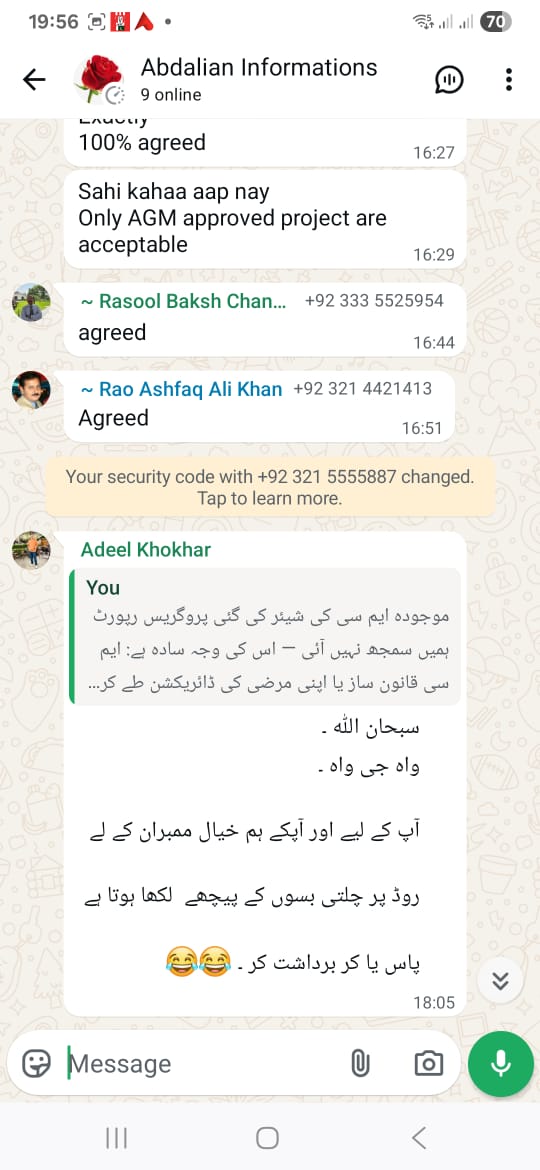
1) What happened in the group today
Today, I made a simple request in the society group:
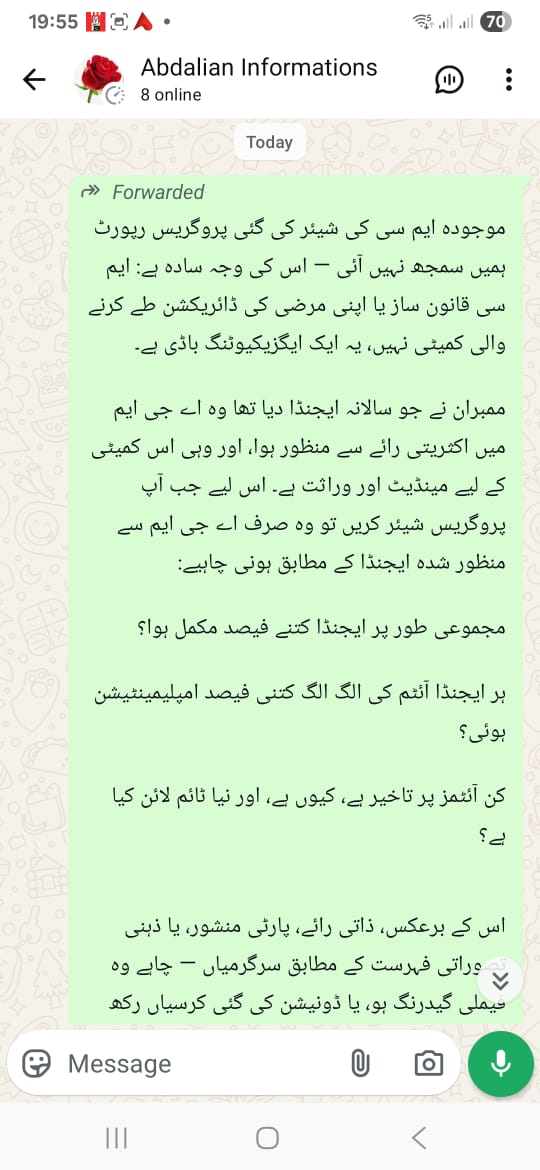
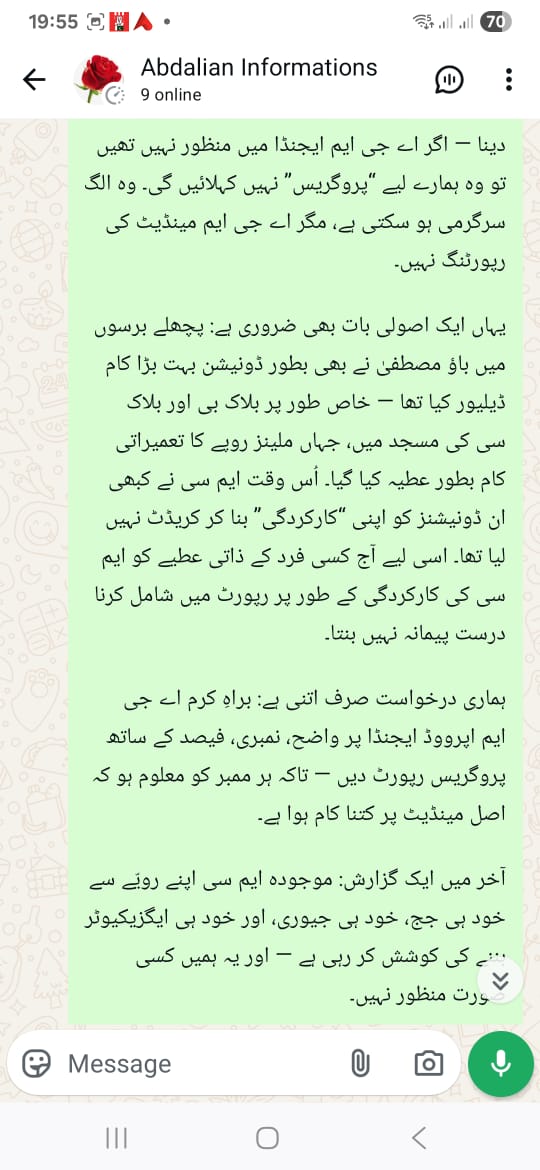
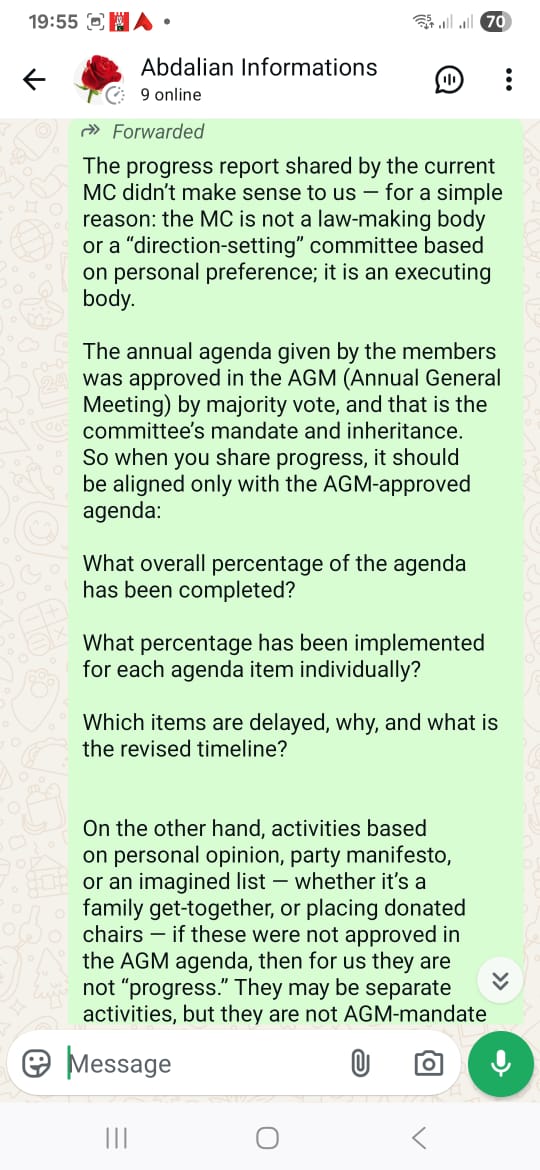
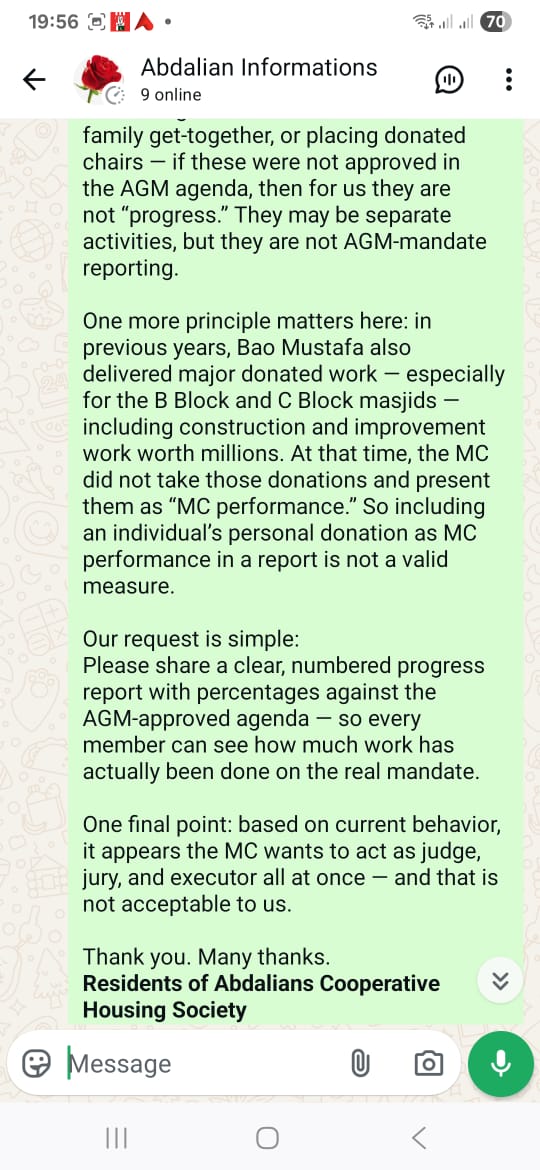
Share the progress report against the AGM-approved annual agenda — with numbering and percentages.
Meaning:
- What percentage of the overall agenda has been completed?
- What percentage has been completed for each agenda item individually?
- Which items are delayed, why, and what is the revised timeline?
This is not a personal demand — it is mandate reporting.
But the response reflected the same old culture: “Let it pass” — “Just tolerate it” — “Stay quiet.”
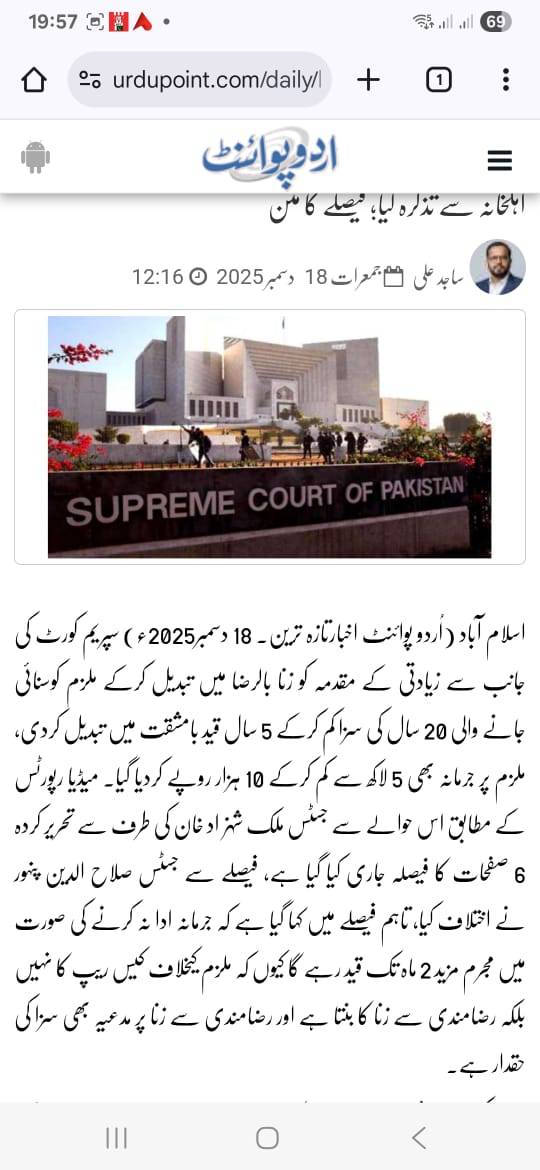
2) The same day, a court news report also surfaced
Urdu Point – News: https://www.urdupoint.com/daily/livenews/2025-12-18/news-4654015.html
On the same day, I read a court-related news report in which it was reported that the court noted factors such as:
- No signs of resistance were found in the medical report (no clear marks of violence or wounds).
- The affected woman’s clothes were not presented as evidence, and it was not proven that the clothes were torn.
- Although the incident reportedly happened near a residential area, no alarm was raised and no one was called for help.
- For several months after the incident, no action was taken and it was not even discussed with family.
- The FIR was registered approximately 7 months later.
Based on such points, the impression highlighted in the report was that if there is no immediate response, resistance, alarm, or timely reporting, the matter may later be viewed through the angle of “consent” — and in some legal framing, this can even open discussion of harsh legal consequences concerning the complainant as well.
The real lesson (what we must take for the society context)
I am not taking sides in any case. My focus is only on this social reality:
Silence and delay can later be used as evidence against you.
If you did not speak up at the time, did not object, did not raise an alarm, or did not create a record — later the question becomes:
“Why didn’t you speak up then?”
That is exactly why “let it pass” and “just tolerate it” is dangerous advice.
It may look like it creates peace, but in reality it:
- empowers wrongdoing,
- kills accountability,
- and later becomes a harmful argument against the person who stayed quiet.
Why silence is damaging in the Abdalians matter
Because our demand is simple and administrative/legal in nature:
Share progress reporting against the AGM-approved agenda.
This is neither rebellion nor stubbornness — it is a basic requirement of governance.
If we stay quiet on this, tomorrow the same silence will be treated as “acceptance,” and unclear or incorrect reporting will become normal. Then it becomes easy to suppress public voice and accountability disappears.
Conclusion
So we are stating this clearly:
We will not stay silent.
We will speak up — and we will do so because it is not only our right, but also our responsibility.
And our voice will be:
- respectful,
- in writing,
- in numbered points,
- and strictly centered around the AGM mandate.
Because if we are not participants in wrongdoing, then timely objection, record-keeping, and principled resistance is the only path that keeps us aligned with law, principles, and truth.
Captions / Notes for the Attached Screenshots